
Southgate City Directory Sources
Southgate researchers have several documented directory and newspaper sources, but no official web page publishes an exact run of Southgate volumes. The Library of Michigan says its general Polk holdings reach the late 1800s and its Bresser holdings reach the late 1960s. Those are collection-wide starting points, not a claim that every year exists for Southgate. Begin with a catalog search, then ask a reference desk to confirm the city, year, format, and shelf location before treating a directory year as available.
| Collection | Published coverage stated | Where to check | Useful access |
|---|---|---|---|
| Polk city directories | Library of Michigan general holdings reach the late 1800s | Library of Michigan, Library Network, local libraries | Surname, street, phone, and classified sections |
| Bresser criss-cross directories | General holdings reach the late 1960s | Library of Michigan and regional shelves | Street, house-number, and phone approaches |
| Southgate Sentinel | 1957–1965 | Library of Michigan holdings and local-history leads | Notices, names, development, and obituary leads |
| Heritage Sunday | 1990–1996 | Library of Michigan holdings | Community news and people trails |
| Michigan obituaries | 1820–2006 | FamilySearch and participating repositories | County and newspaper index with images where available |
Catalog terms worth trying include “Southgate city directory,” “Wayne County city directory,” “Downriver criss-cross,” and “Southgate telephone directory.” A gap in the catalog is not proof a volume never existed. It may be uncataloged, held in another library, missing, or not published for that place.
Southgate Veterans Memorial Library digital resources are a practical starting point for local database and genealogy routes.
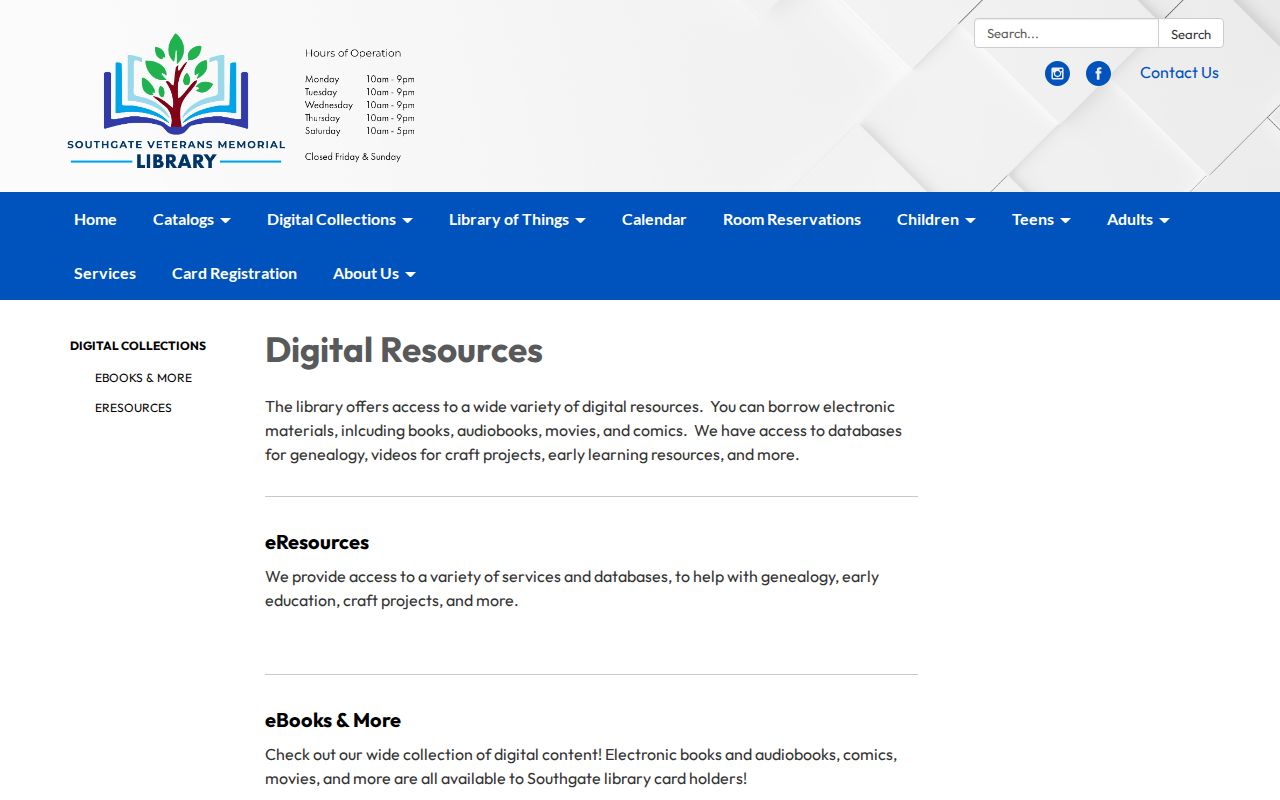
The digital-resources screen points toward research access, not a digitized Southgate directory run. Confirm a specific title and year with the library or catalog before relying on it.
Southgate City Directory Library Route
The Southgate Veterans Memorial Library is at 14680 Dix-Toledo Road and can help route a directory question to its own materials, The Library Network, or MeLcat. Its published hours are Monday through Thursday from 10 a.m. to 9 p.m. and Saturday from 10 a.m. to 5 p.m.; it is closed Friday and Sunday. The library lists public computers, guest-pass access, and on-site Ancestry Library Edition. Printing is listed at ten cents for black-and-white pages and twenty-five cents for color pages.
Ask for a volume by place and year, then ask whether the library can check a local-history shelf, a newspaper reel, a yearbook, or a plat reference. The public pages do not promise staff house-history work or list exact Southgate directory years. That makes the reference desk a lead for locating material, rather than a guarantee of a completed research search.
The library's adult-resource listing documents the on-site Ancestry option and related local research links.
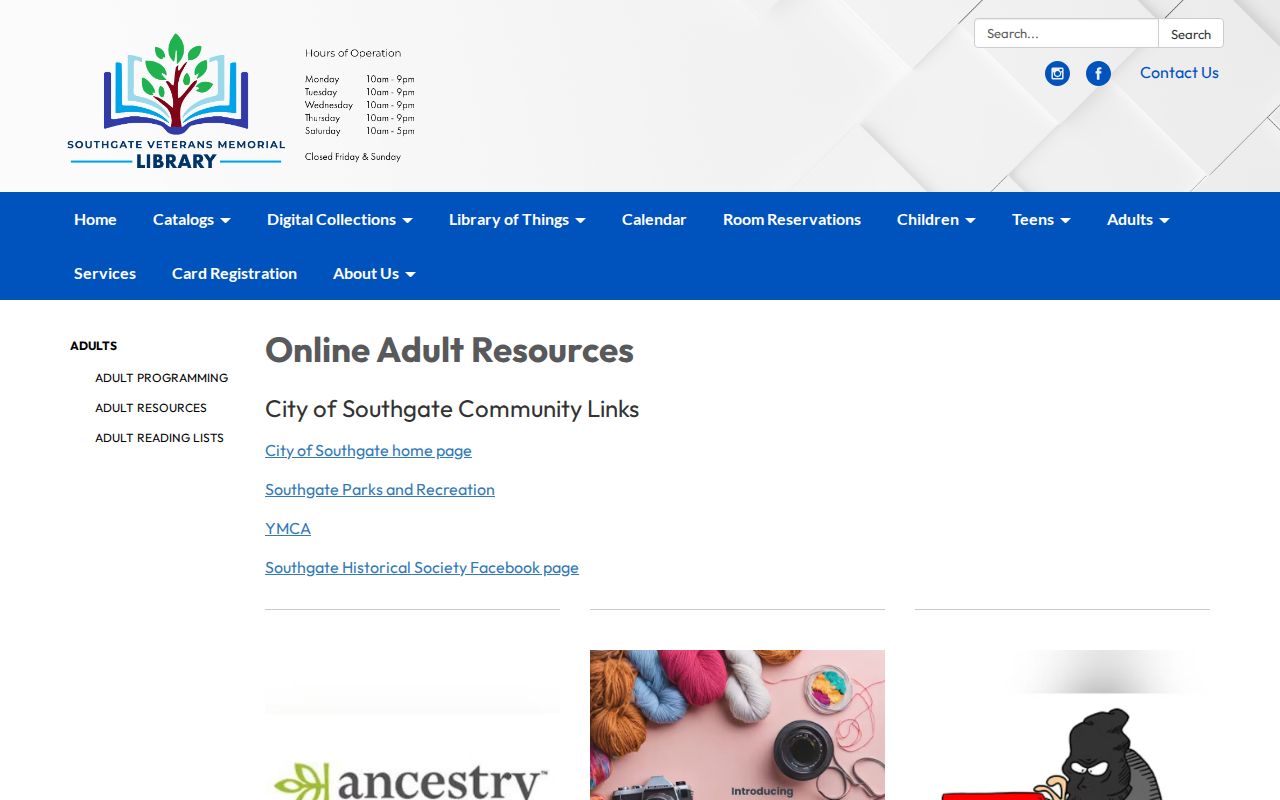
Use a library computer for collections that require in-building access, and keep a citation for each result. A screen result is a lead until the original volume or image is checked.
Bresser Clues in Southgate Directories
Bresser, sometimes called a criss-cross or cross directory, is especially useful when the starting point is an address rather than a surname. Its street sections arrange entries by street and house number, then identify the head of household or business. Depending on the volume, the listing can also carry a phone number, an occupancy mark, a first-listed note, or a move or new-arrival note. Exact Southgate Bresser years have not been published, so request the relevant regional volume instead of assuming a particular decade is on the shelf.
The Downriver Genealogical Society serves Southgate and 17 other Downriver communities. It reports selected city directories, death indexes and transcriptions, funeral-home records, title abstracts, and Southgate Sentinel material. Its posted library hours are Tuesday from 9 a.m. to 1 p.m. and Thursday from 10 a.m. to 2 p.m. Check the current schedule before a visit.
The Downriver Genealogical Society library describes those selected local holdings.
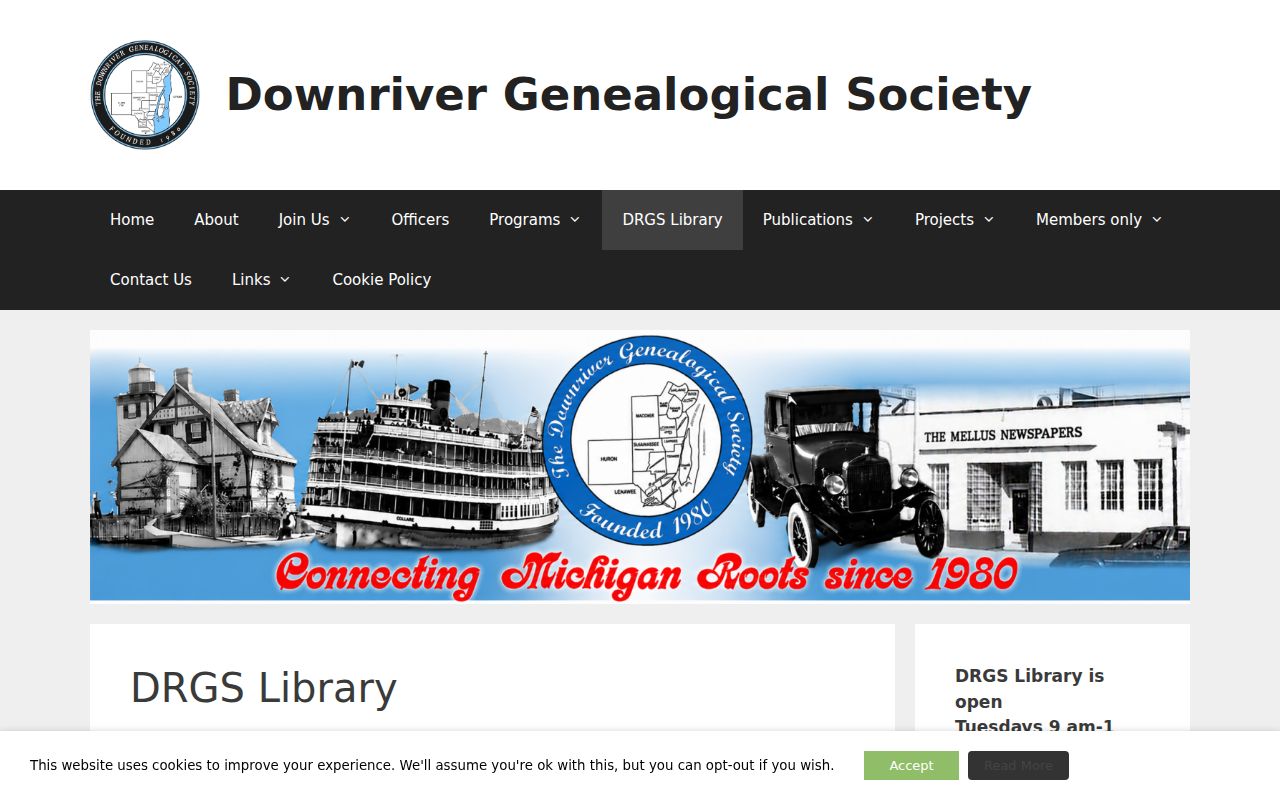
The society is a useful local fallback when a catalog search does not settle whether a Southgate directory survives. Its advertised holdings are selected, so call ahead with the city, name, address, and approximate period.
How a Southgate City Directory Reads
An entry is a compact record, not a complete household census. The Library of Michigan describes a typical surname listing as a place to find a surname and first name, spouse or other household names, occupation, employer or business, street address, telephone number, ownership or non-owner notation, and widow or new-arrival notation where the publisher used it. A phone section usually lists only the head of household. Read the volume's key before expanding a short mark into a conclusion.
| Name line | Surname and first name, with spouse or other household detail when printed |
|---|---|
| Occupation line | Occupation and sometimes an employer or business reference |
| Street address | House number and street, useful for comparing the street section |
| Telephone | A household contact detail when the relevant listing includes one |
| Status marks | Ownership, widow, first-listed, arrival, or move information where that publisher used a mark |
- Criss-cross directory
- A reverse-style directory that starts with a street and house number, then identifies a household head or business.
- Householder index
- A name arrangement that identifies the person used as the household's primary directory entry, not every person at the address.
- Abbreviation key
- The volume's own list of shortened terms and symbols. Photograph or transcribe it first because publishers did not always use the same meanings.
Do not invent an expansion for an abbreviation that the copy does not explain. The research record has no scanned Southgate sample page or confirmed abbreviation key, so the entry inventory above describes documented directory conventions rather than a quoted local entry.
Southgate Library Custody Story
Southgate's library history helps explain why a local research question can lead through more than one building or catalog. The library began as the Wayne County Library Northline Branch at 13703 Northline Road in 1951. When Southgate incorporated in 1958, it became Southgate Public Library. A Dix-Toledo building opened in 1966, the institution took the Veterans Memorial name in 1984, and an expansion was dedicated in 1997.
That sequence is useful when asking about older clippings, photographs, programs, or community records. It does not establish that every directory transferred intact, but it gives staff and researchers a custody timeline to use while tracing where a local item may have gone.
The library history page records the Northline, Dix-Toledo, memorial-name, and expansion milestones.
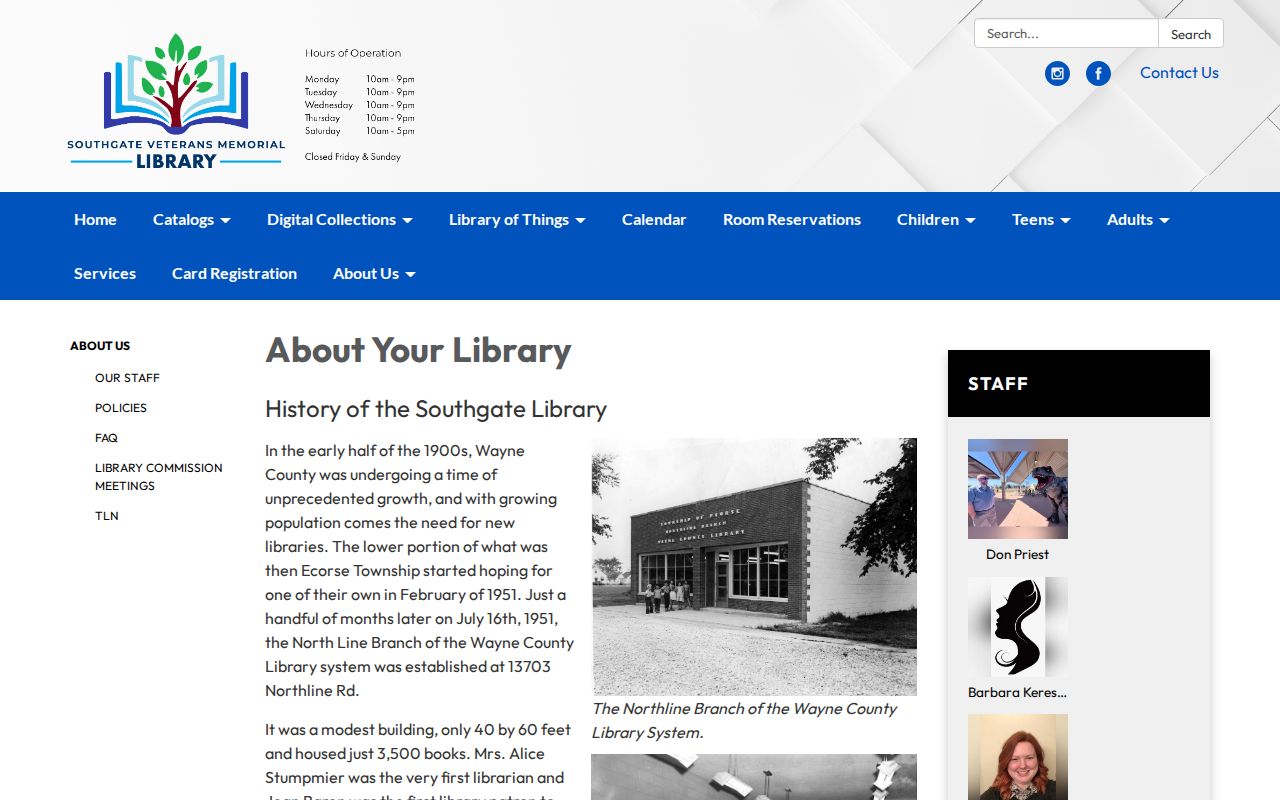
Use the custody history as an asking tool: name the item type, approximate period, and earlier library identity. It is better evidence than assuming all local historical material was digitized.
Southgate City Directory Newspaper Bridges
Directories locate a household in a year. Newspapers and obituaries can test what happened near that date. Library of Michigan holdings list the Southgate Sentinel for 1957 through 1965 and Heritage Sunday for 1990 through 1996. FamilySearch's Michigan Obituaries collection covers 1820 through 2006 and is organized by county and newspaper, with images where available. Local notices may supply a spouse, relative, funeral home, cemetery, or last residence.
A notice is still a lead. Confirm legally important death or relationship facts with the appropriate public custodian. Nearby cemetery research may extend to Our Lady of Hope in Brownstown Township or Mount Carmel in Wyandotte, because the city materials do not identify a Southgate municipal interment database.
Library of Michigan family-history resources describe collections that can extend a newspaper lead.
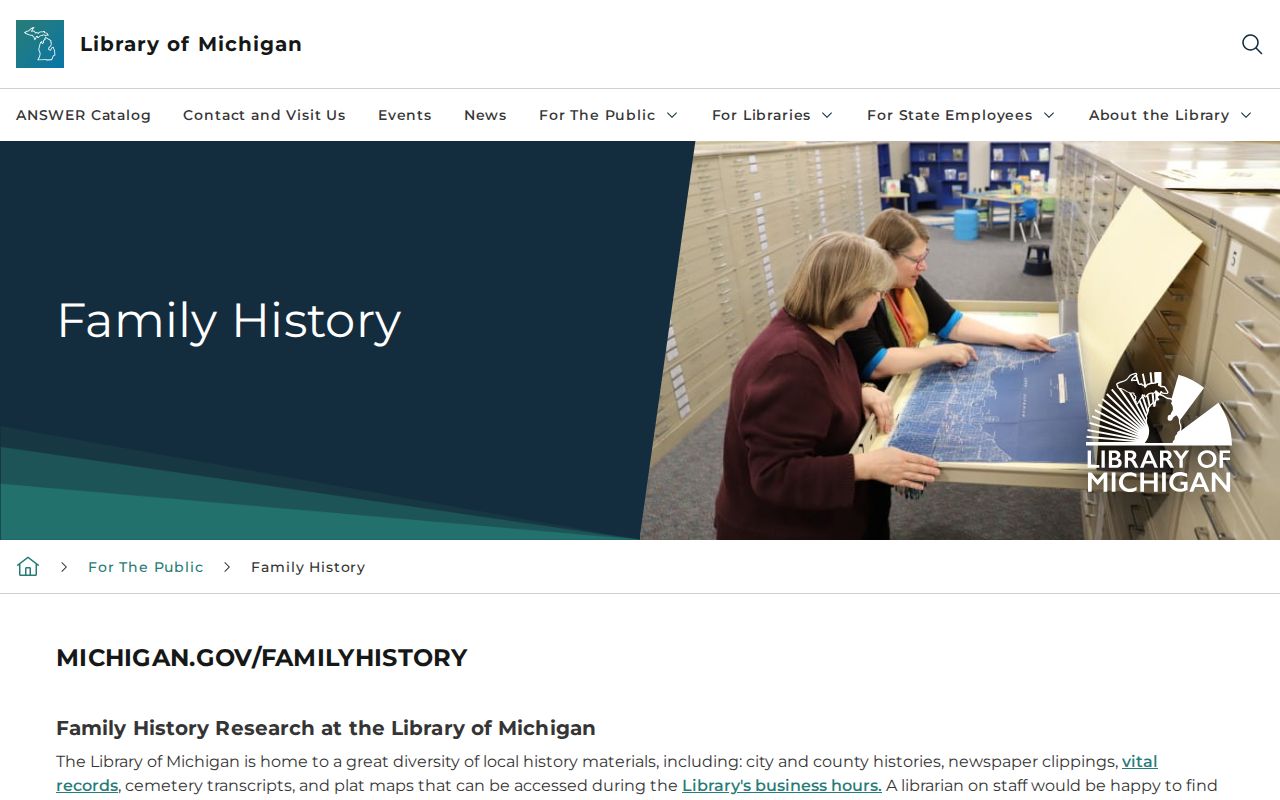
The Library of Michigan also identifies cemetery transcripts, clippings, local histories, and plat maps as family-history resources. Pairing these sources narrows a search without turning a directory line into proof of title or family status.
Southgate City Directory Census Checks
Federal census schedules and directory entries answer related but different questions. A census records the people present in a household on its census date. A directory can place an individual or household head at a street address in a publication year, often with a phone or occupation detail. Pair each located directory with the closest census release instead of treating the two records as interchangeable. The available public federal schedules run through 1950 under the 72-year release rule; the 1960 census is scheduled to open in 2032.
Southgate's fast postwar growth makes those comparisons especially useful. The research records fewer than 2,000 people in the area in 1940, 10,000 in 1950, and 29,404 in 1960. Older material can also be tied to rural Ecorse Township rather than the incorporated city. Record the jurisdiction beside each entry, then use a street section, plat, or legal description when an address seems to cross that change.
Tracing a Southgate City Directory Household
Follow a household one available volume at a time. The directory may supply an annual street address, while a federal census supplies a household snapshot. Census releases through 1950 are public under the 72-year rule; the 1960 census is scheduled to open in 2032. Southgate's rural Ecorse Township context and later postwar growth make the comparison especially important. An older record may use township context before a later directory shows a settled Southgate street.
- Find the person in the surname listing and copy the spelling, address, household clues, occupation, and telephone exactly as printed.
- Turn to the street or criss-cross section and verify the house number. Nearby entries can help separate people with the same name.
- Check the next available earlier and later volumes. Mark an address change, a changed spouse line, a different phone number, or a missing entry separately.
- Pair the closest directory years with the 1900 through 1950 federal censuses, keeping in mind that the census captures one date and a directory may be more frequent.
- Use deeds, probate, marriage or death records, obituaries, cemetery material, and naturalization records to test a life event suggested by the trail.
A disappearance can mean a move, death, an unlisted household, a changed name, or a publication gap. Record it as a question until another source answers it. For a modern address-keyed record, the Southgate Street Directory route uses current parcel and municipal sources rather than rebuilding the historical shelf.
Southgate Veterans Memorial Library remains the local first contact for a title that is not visible online.
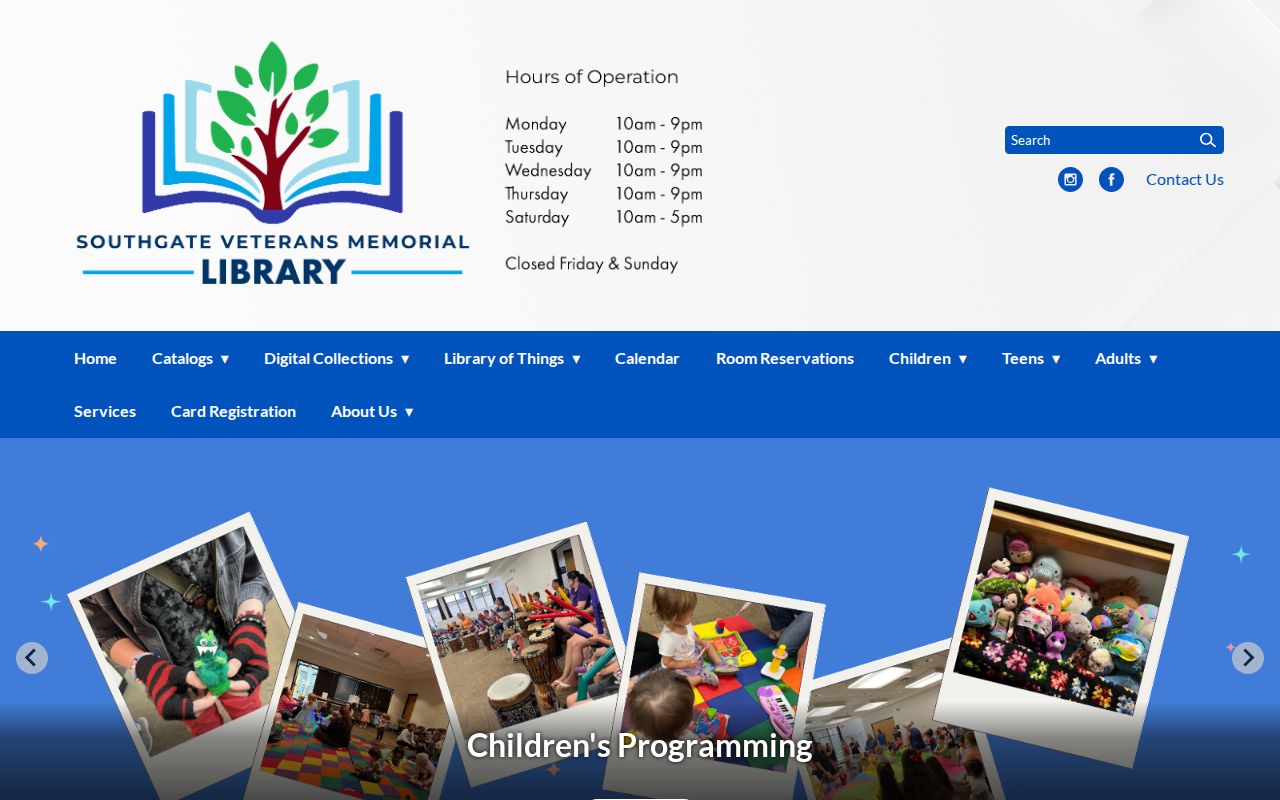
Bring the name, known address, and approximate year to make the inquiry specific. The strongest result is a documented sequence of entries with the original sources noted beside each one.