
Southgate Previous Residents Era Map
Each source answers a different part of the question. A current parcel record identifies the place now. Recorded documents track ownership transfers. Directories and census schedules can place households at or near an address. Newspaper, obituary, and probate material may explain a later transfer or establish a family connection. Southgate's record trail also crosses its change from rural Ecorse Township context into a postwar city, so older records should be read with jurisdiction and legal-description details in mind.
| Source | Southgate period or reach | Where held | What it can establish |
|---|---|---|---|
| Wayne Register of Deeds web index | January 1, 1960 forward in search instructions; current page separately highlights copies after 1986 | Public search, On Demand, office, or mail | Recorded instrument, parties, recording data, and legal description |
| Southgate Sentinel | 1957–1965 | Library of Michigan and local-history leads | Notices, local events, obituaries, and address clues |
| Polk and Bresser directories | General holdings begin late 1800s and late 1960s; exact Southgate runs unknown | Library of Michigan and regional libraries | Names, streets, phone information, and household clues |
| Federal census | 1940 and 1950 public now; 1960 opens in 2032 | National Archives, FamilySearch, library databases | Household snapshot, age, birthplace, and occupation on census day |
| BS&A and building records | Current record online; historical depth not published | Southgate Assessor, Building Department, and request route | Parcel details, current ownership fields, permits, inspections, and projects where entered |
| Obituary and probate endpoint | Sentinel 1957–1965, Heritage Sunday 1990–1996, and other coverage varies | Libraries, archives, Wayne Probate, and Wayne Clerk | Death, family, estate representative, heir, and later deed leads |
Start with the source closest to the period being tested. A current card cannot prove a household from decades earlier, and a directory entry cannot prove legal ownership. Keeping the source role separate makes a house-history chain more reliable.
Wayne County Clerk records services describe record-room, archival, in-person, and mail options when an online trail does not answer the question.
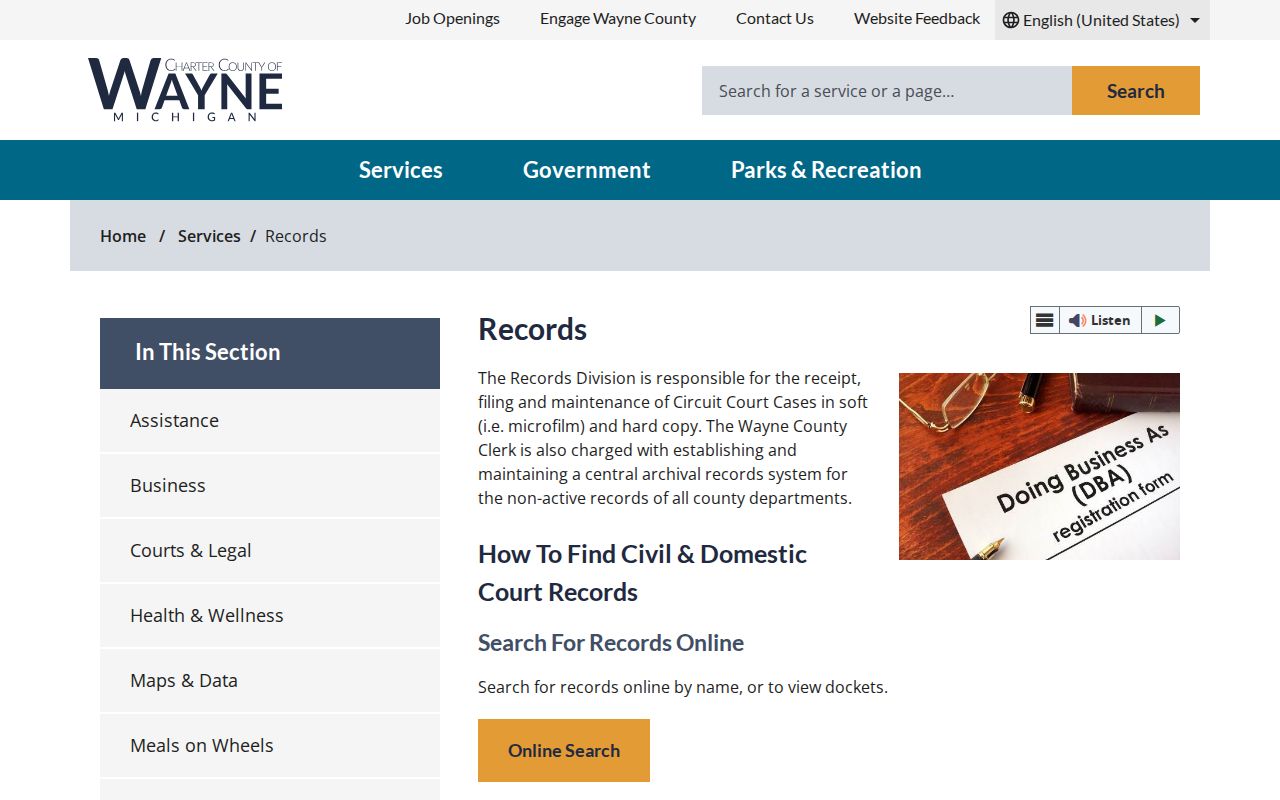
The clerk is an endpoint for certain court and archival records, not a substitute for the parcel and deed sequence. Note the court or record division that holds the specific file before asking for a copy.
Freeze the Southgate Parcel First
Use Southgate BS&A to make a dated research note before tracing previous residents. Retain the situs address, current assessed owner, mailing address, parcel identifier, subdivision, lot and block, or legal description if shown. The situs is the physical parcel address. The mailing address is where tax notices go. They can differ, and the current owner may be a trust, estate, company, or a person who does not live there.
Then open the Wayne County Parcel Viewer and check that its polygon and legal-description context fit the BS&A result. This comparison prevents a street-name match from leading to the wrong lot. A legal description identifies land through subdivision, lot, block, or other formal terms; it normally travels more consistently through old records than a numbered street address.
Wayne County Register of Deeds information explains the county land-record role and the online-records path.
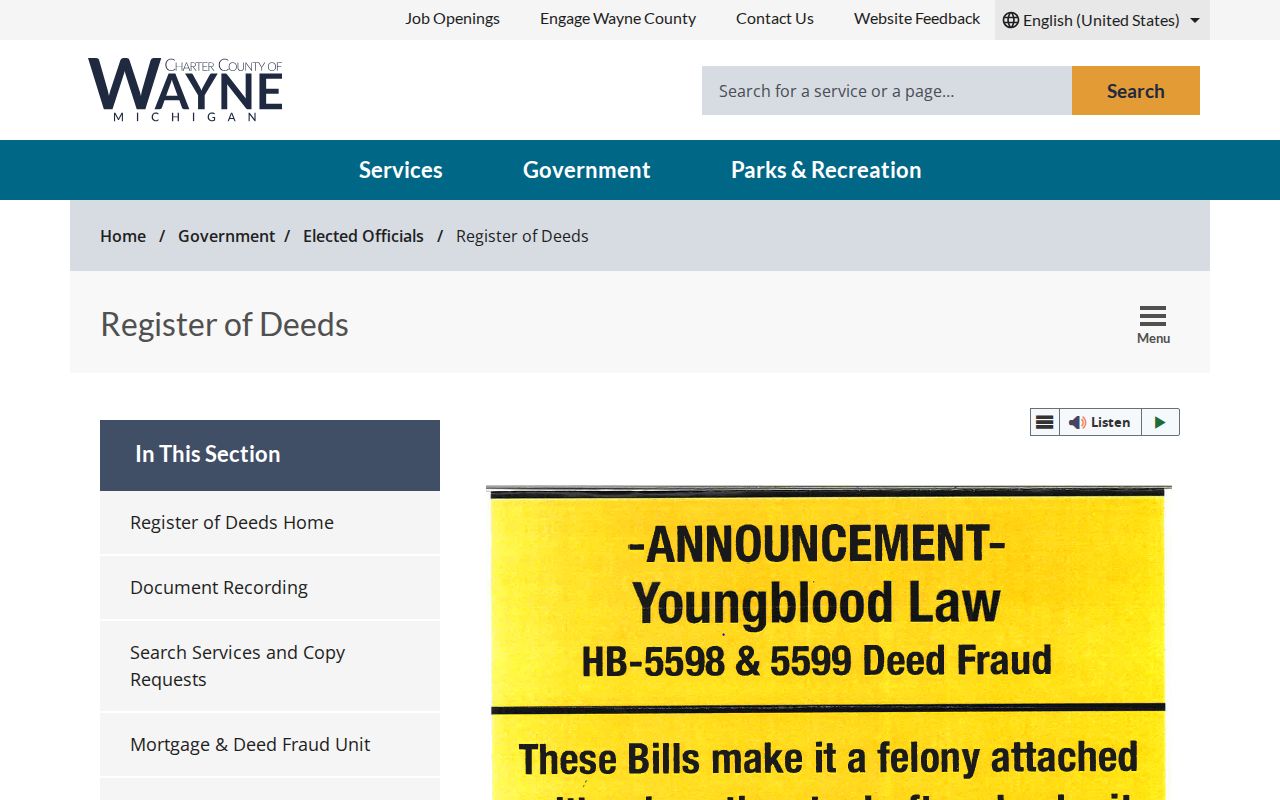
The parcel note is a control sheet for the rest of the work. Recheck the lot, block, parcel, and street context whenever a same-name result appears in the deed index.
Southgate Previous Residents Deed Trail
Wayne County's recorded-document process is the ownership backbone for a Southgate address. Search the current owner as the grantee, the person or entity receiving a recorded document. Capture the grantor, or party transferring the document; the grantee; instrument type; recording date; document number or liber and page; and legal description. Then search the grantor as a grantee to find that party's earlier acquisition. Repeat the role change one transfer at a time.
- Copy the current owner and legal description from the Southgate parcel record, then verify the map polygon in county GIS.
- Find the latest document with that owner as grantee. Compare the result with the parcel's lot, block, subdivision, and recording date.
- Record the grantor, grantee, instrument, date, document number or liber/page, and legal description in order.
- Search the recorded grantor as a grantee. Use name variants and legal-description details when results contain more than one person with the same name.
- Repeat backward, noting each access gap rather than treating a missing online result as the end of the chain.
- Grantor and grantee
- The grantor transfers an interest in the recorded document; the grantee receives it. These roles make the backward search possible.
- Chain of title
- A documented sequence of recorded transfers connected by the same parcel or legal description. It is research evidence, not a certified title conclusion.
- Liber and page
- An older book-and-page citation for a recorded document. Keep it with the document number and recording date.
- Legal description
- The formal land description, such as subdivision, lot, block, or unit language, used to verify that documents concern the same place.
Wayne County Land Records is the county's grantor-grantee access route.
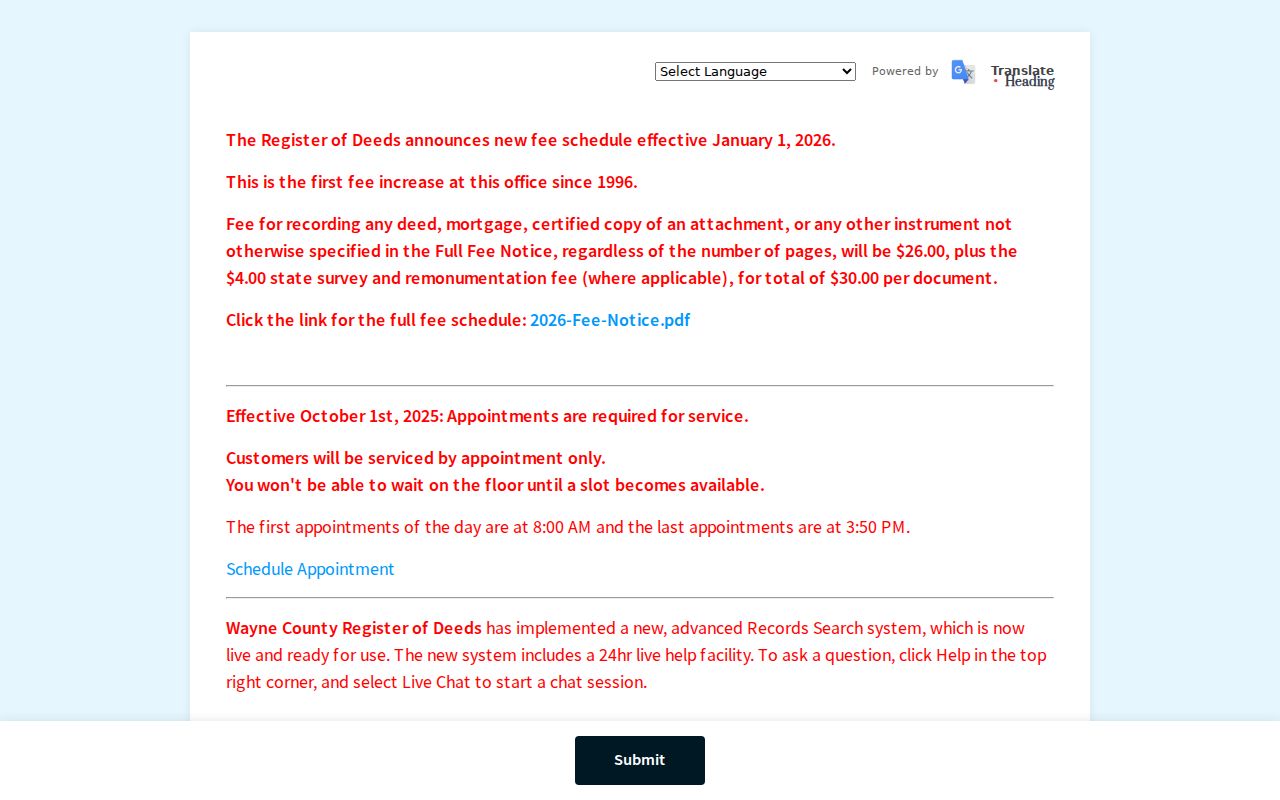
Document dates and recording dates can differ. Keep both when shown, because a signing date can precede the public recording entry that anchors the next search.
Southgate Deed Access Divide
The free Wayne County route is a name-only index. An On Demand account expands searching to address, parcel or tax ID, legal description, liber/page, document images, and printing. County instructions list six dollars plus fees for a 15-minute session and twenty-four dollars for 60 minutes, while warning that current amounts should be checked at checkout. The enhanced route is useful after the parcel details are known, but it does not replace checking the legal description.
The search-and-copy instructions say online recorded-document search reaches January 1, 1960. A current county page separately says online copies are available after 1986. Treat those statements as different claims about search reach and image convenience. For a pre-1960 document, use an office visit or mail search instead of assuming it is absent. The Register office is at 400 Monroe, 7th Floor, Detroit. Office searching is listed at five dollars per property, waived for a personal residence with identification; copies are two dollars per page and certification is ten dollars per document. A mail search is fifteen dollars per address, plus copy and certification charges.
For court-file or archive questions connected to an estate, Wayne County civil court services explains copy and certification channels.
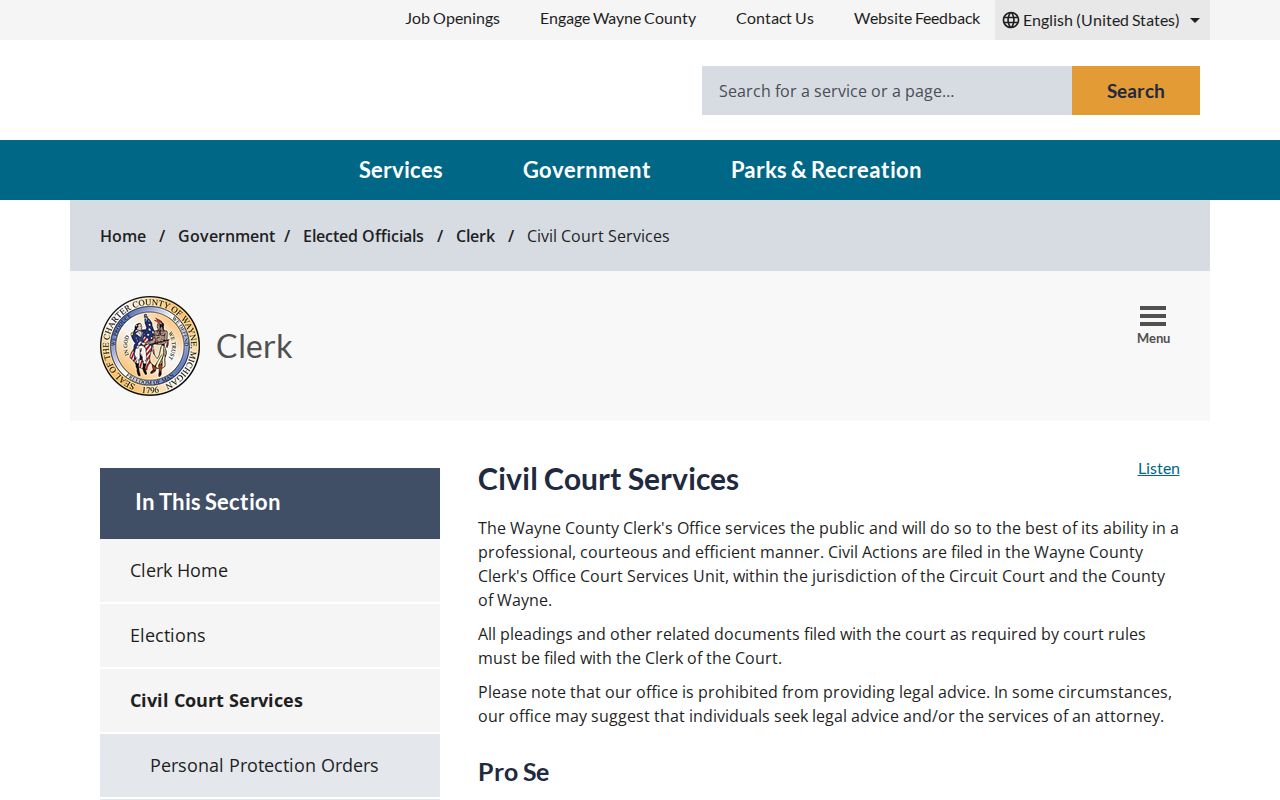
A court or clerk record may explain an estate transfer, but it should be kept separate from the recorded deed sequence. Match names and legal facts with the official document before joining the two trails.
Southgate Previous Residents Postwar Context
Southgate's address history has two broad layers. The area was rural Ecorse Township before the city's 1958 incorporation, while grids began to be platted in the 1920s and most neighborhoods grew after World War II. A 1940 census can therefore reflect township land, a 1960 directory may show a developed tract, and later directories may show a settled household pattern. The changing jurisdiction is a reason to preserve lot, block, cross-street, and township context beside an address.
No official material located a citywide Southgate street-renumbering table, renamed-street year, or confirmed local Sanborn sheet. Do not force an old number into a modern match. Bridge a mismatch with the plat, legal description, cross street, old directory street section, and deed language. The absence of a verified map or renumbering record is a research gap, not proof that an address never existed.
Archives of Michigan county guides point toward Wayne County tax, probate, court, military, and other historical record series.
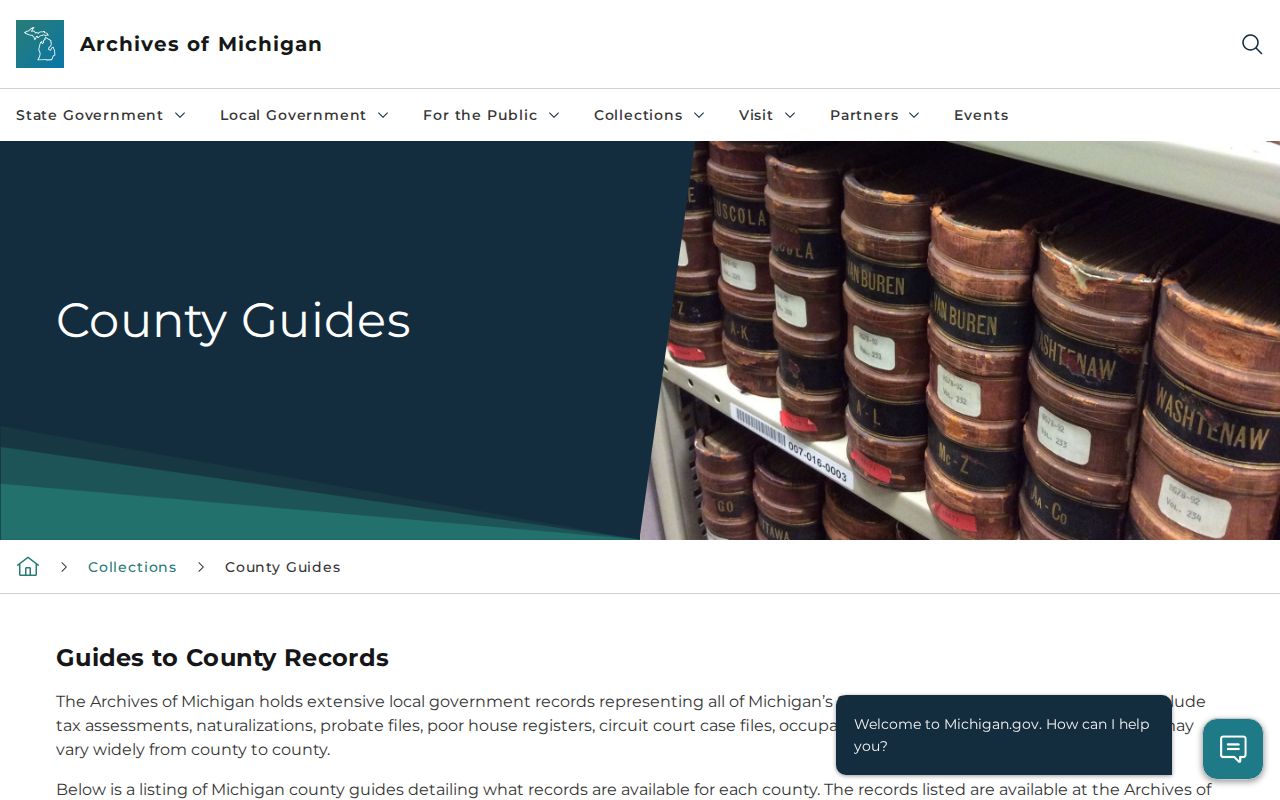
The Archives route is useful for locating older record series that are outside the city database. It cannot fill an unverified Southgate directory year or map sheet by assumption.
Past Southgate Residents by Household
Ownership is only one layer of the address story. When an exact Southgate volume can be located, Polk surname and street sections can link a person and street address; Bresser criss-cross volumes work from street and house number toward a household head or business. The Library of Michigan says Polk general holdings reach the late 1800s and Bresser general holdings reach the late 1960s. Exact Southgate runs remain unpublished, so verify availability through The Library Network, MeLcat, a reference desk, or the Downriver Genealogical Society.
- Choose the directory year nearest the deed or permit date and transcribe the name, address, phone, household details, and any publisher marks exactly.
- Use the street or criss-cross section to test the house number and adjacent entries. This helps distinguish same-name people.
- Compare the prior and next available volume, noting moves and gaps without deciding why the name disappeared.
- Pair the directory with the nearest public federal census, through 1950 under the 72-year release rule, to test the household composition at that time.
- Use a newspaper notice, cemetery record, obituary, probate file, or later deed to close a gap suggested by the household trail.
The historical collections themselves belong in the Southgate Directory Book, where the library and directory methods are described in detail. For this address trail, they provide a dated household layer beside the ownership sequence.
Southgate Address Work Records
Building records can date work at a parcel when the entry exists. Southgate BS&A Building Department Search accepts address, name, parcel, or building-record number and may show project type, record number, status, inspection events, and fees. The Building Department is the fallback for older paper files. Code-enforcement records may also be requested from the city when they are not shown online, subject to public-record exemptions and redactions.
Neither a permit nor a code record identifies every person who lived at the address. It is a time marker that can explain a construction change or narrow the period for a deed, directory, or newspaper search. The public source did not publish a start year for Southgate's permit archive or utility-hookup archive, so record an unavailable response as a gap.
Note: City FOIA can request older public records, but protected personal information may be removed before release.
Southgate Previous Residents Endpoints
Obituaries and probate files can end a prior-resident trail when an owner dies, an estate transfers the parcel, or an heir appears in a later document. Southgate Sentinel holdings cover 1957 through 1965, Heritage Sunday covers 1990 through 1996, and FamilySearch's Michigan Obituaries collection spans 1820 through 2006. An obituary may provide a death date, spouse, children, funeral home, last residence, or cemetery. Treat every one as a lead to check against a vital record or the court file when the fact matters legally.
Search Wayne Probate using the decedent's legal name after the obituary supplies a date or family clue. A public register of actions may identify a personal representative or an heir filing, while the deed index shows a later recorded transfer. If a property passed through a trust, estate, or business, switch to the relevant filing and retain the deed's legal description as the parcel anchor.
FamilySearch Michigan Obituaries provides the documented obituary index route.
The strongest endpoint joins an obituary or probate lead to the parcel's documented deed chain. It does not turn a notice into a substitute for an official vital or land record.